From Learning to Action: Follow-Up Interviews with Participants of the Erasmus+ Project “Fostering Active Youth Participation in Environmental Advocacy”
What happens when young people from three countries come together to tackle environmental challenges? For six participants from Bulgaria, Albania and Germany, the Erasmus+ project “Fostering Active Youth Participation in Environmental Advocacy” was an opportunity to gain practical skills, develop environmental initiatives and build friendships beyond borders.
About the Project: Empowering Young People to Make a Difference
The Erasmus+ project “Fostering Active Youth Participation in Environmental Advocacy”, project number 2025-1-BG01-KA154-YOU-000305144, officially started on 1 September 2025 and ran until 31 August 2026. It was implemented by Association FOR YOU (Bulgaria), in partnership with StarBalkans (Albania) and aiforia – ecoculture e.V. (Germany).
The project’s main objective was to empower young people to become active environmental advocates by strengthening their knowledge of recycling, waste management and civic participation. It aimed to create an international network of young environmental leaders who could identify environmental challenges in their communities, develop practical solutions and encourage others to take action.
Throughout the project, participants took part in a series of educational and practical activities designed to develop their skills step by step.
The journey began with local training workshops in Bulgaria, Albania and Germany, where young people explored environmental challenges, recycling practices and opportunities for youth participation.
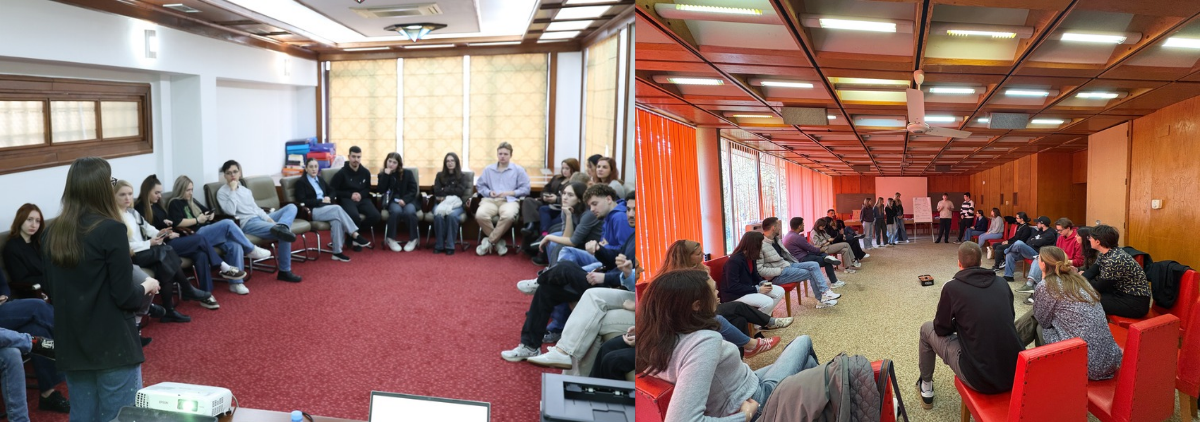
The first international mobility took place in Tirana, Albania, from 26 to 30 January 2026, under the theme “Exploring the Role of Youth in Recycling and Waste Management Campaigns.” Participants learned about different types of environmental campaigns, communication strategies and ways to engage local communities in addressing environmental challenges.
Building on this knowledge, the national teams developed youth-led environmental campaigns addressing specific challenges in their communities.
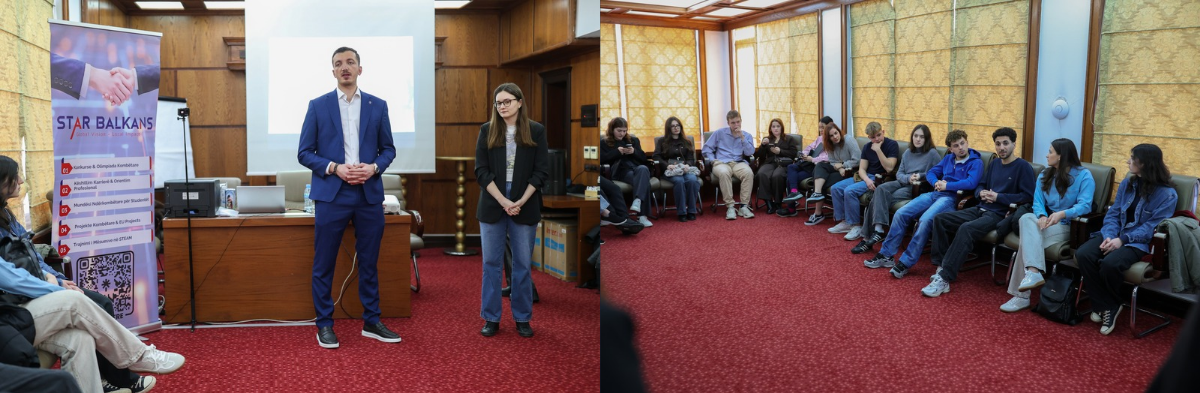
The second international mobility took place in Varna, Bulgaria, from 29 April to 3 May 2026, under the theme “Exploring the Role of Youth in Organising Public Awareness Events Regarding Recycling and Waste Management.” Through interactive workshops, meetings with local stakeholders, team-building activities and practical exercises, participants explored how to plan and organise environmental awareness events. Activities included upcycling workshops, discussions about ecological footprints and the development of local event concepts, preparing participants to implement their own public environmental events in their communities.
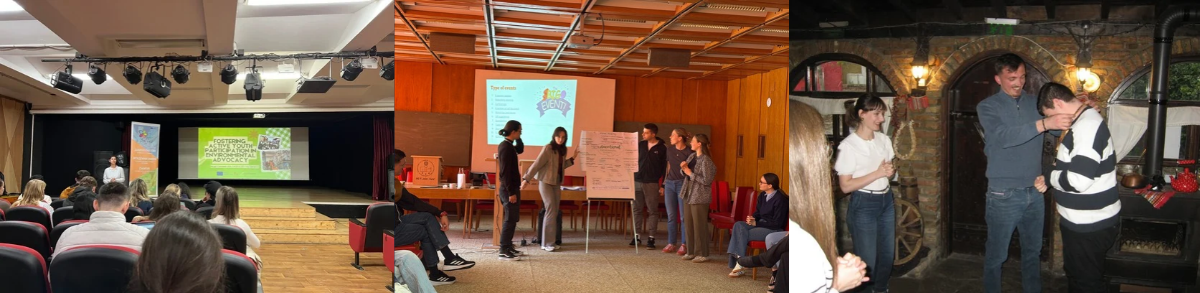
The project continued with local public events in all three participating countries, giving young people the opportunity to put their newly acquired knowledge into practice, engage with their communities and promote more sustainable everyday habits.
Rather than focusing only on theoretical learning, the project encouraged young people to take responsibility, work together across borders and turn their ideas into concrete environmental initiatives.
The Project Through the Eyes of Its Participants
Beyond the workshops, campaigns and international mobilities, the project was shaped by the people who took part in it. Their experiences show how environmental education can inspire new ideas, encourage personal growth and create lasting connections across borders.
Looking back on their journey, Valentina and Kim from Germany, Dhurata and Xhulia from Albania, and Maria and Pavel from Bulgaria share the moments that stood out to them and the knowledge and experiences they will carry forward.
Team Germany: Learning Through Collaboration
For Valentina, the mobility in Tirana offered valuable insights into environmental communication and the importance of international cooperation.
“During the project, we learned how to create effective campaigns about environmental protection. We also explored four different types of campaigns, which gave us a better understanding of how to communicate environmental messages in different ways.”
Beyond the educational activities, she particularly appreciated the intercultural experience.
“What I enjoyed the most was the friendly atmosphere and the intercultural exchange, which made the whole experience even more meaningful.”
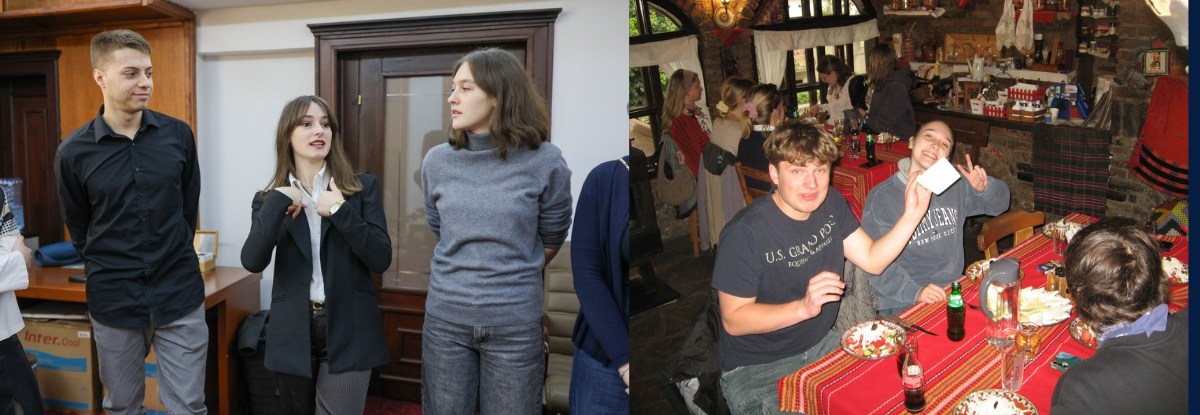
For Kim, the mobility in Varna was an opportunity to turn ideas into concrete plans. The German team developed an interactive activity focused on responsible clothing disposal, reuse and recycling.
“Working on it in a national group, with feedback from the other countries, made the step from inspiration to a realistic plan surprisingly concrete.”
Reflecting on the experience, Kim also highlighted the friendships and practical knowledge gained:
“We are returning home with new friends across three countries, a much better understanding of recycling and waste management, and a concept we are now looking forward to implementing at home.”
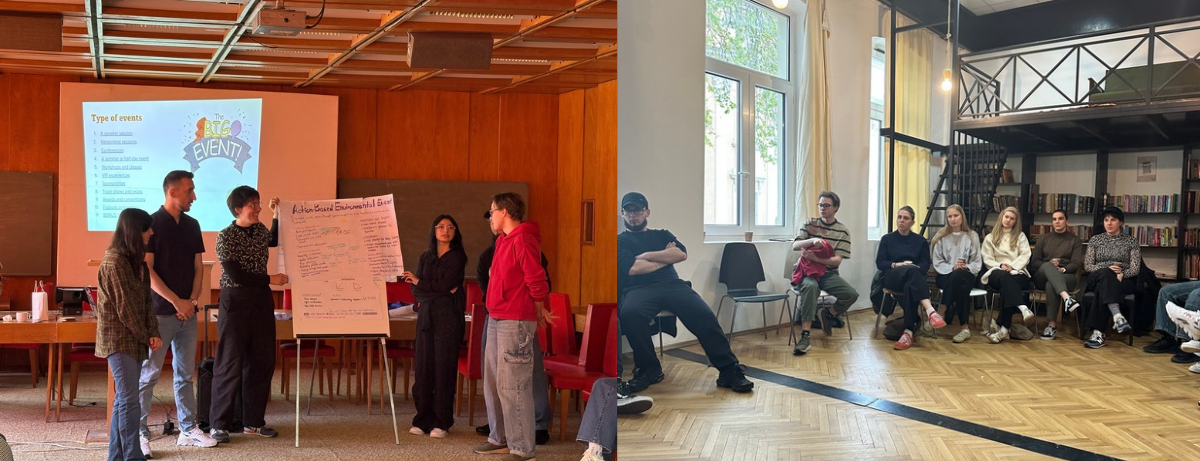
Team Albania: From Observation to Real Solutions
For Dhurata, one of the most meaningful experiences was the final local event in Tirana, Green Action Lab: From Observation to Solutions, held on 11 July 2026.
“It made me realise how powerful brainstorming can become when people of different ages, academic backgrounds and professional experiences look at the same environmental problem together.”
The activity encouraged young people to observe waste in public spaces, analyse its causes and develop realistic proposals.
“We transformed observations into ideas. We were motivated and we succeeded. StarBalkans played an important role throughout this journey, creating opportunities for young people in Albania to develop their skills, share their ideas and turn environmental awareness into meaningful action.”
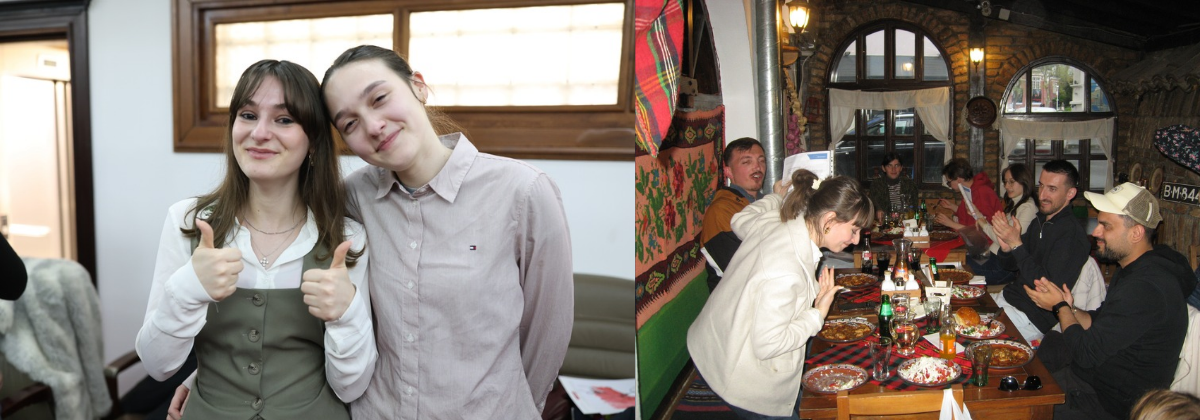
Xhulia, an Urban Planning student, particularly valued the opportunity to develop an environmental initiative with support from StarBalkans. Her team’s campaign, BinTheGum, addressed chewing gum pollution through public awareness activities, interviews and waste mapping.
“Having our own data was something I was genuinely proud of. We were no longer only discussing an environmental issue — we had observed it, documented it and created evidence ourselves.”
For Xhulia, the project also created lasting personal connections.
“Almost a year later, I am still in contact with many of the people I met through this experience, and some of them have become very important friends in my life.”
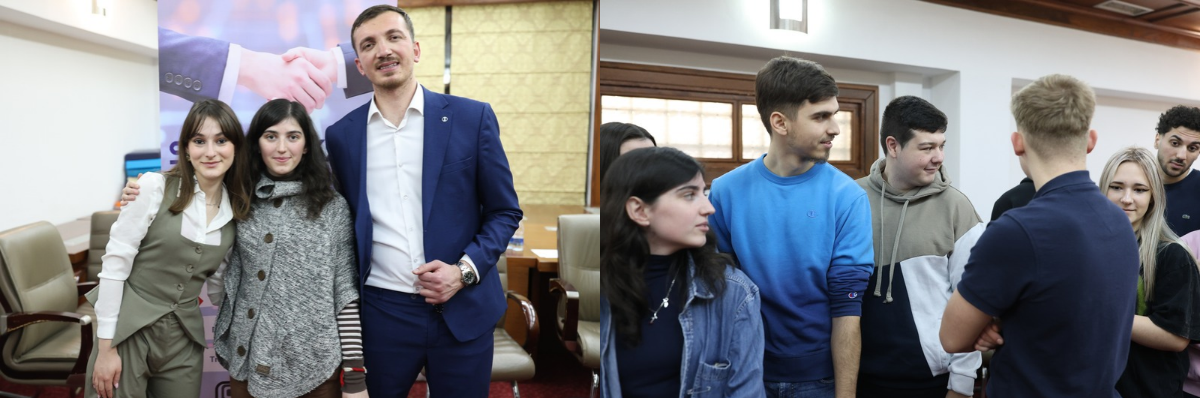
Team Bulgaria: Building Skills and Lasting Connections
For Maria, the project was an inspiring opportunity to explore environmental challenges from different perspectives and understand how young people can actively contribute to solving them. She particularly appreciated the combination of theoretical knowledge and practical experience, which allowed participants to develop their own environmental initiatives.
“What made this project special for me was that we didn’t just learn about environmental problems — we learned how to take action. From understanding everyday habits and waste management challenges to planning and organising environmental campaigns, every activity gave us useful knowledge and practical skills. I especially appreciated that we had the opportunity to turn everything we learned into real initiatives in our own communities. It showed me that young people can play an important role in creating positive environmental change.”
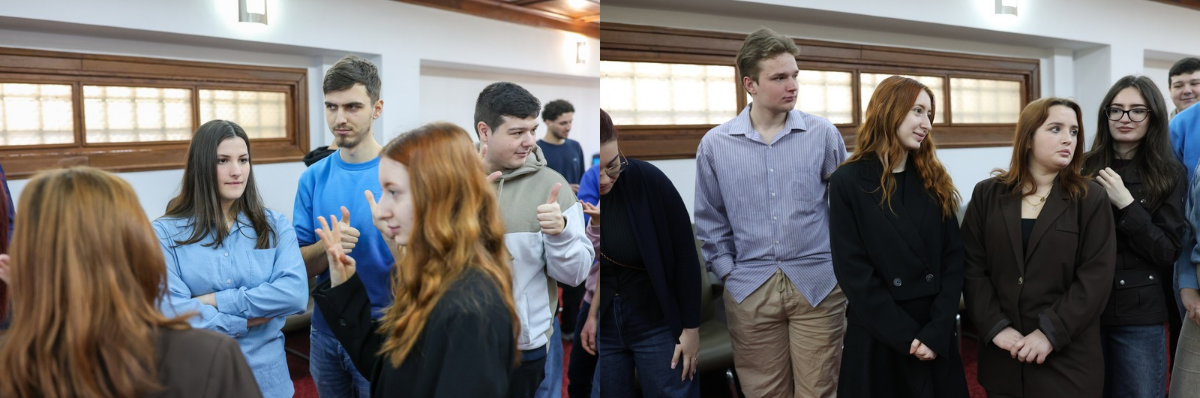
For Pavel, the international atmosphere and interactive learning activities were among the most valuable aspects of the experience.
“The project was a very positive experience for me, both educationally and personally. The activities were well organised, interactive and closely connected to the topic. Working in international groups allowed us to exchange different perspectives, learn from each other and build friendships that continued even after the project ended. I still keep in touch with new friends I met, which makes the experience even more meaningful.”
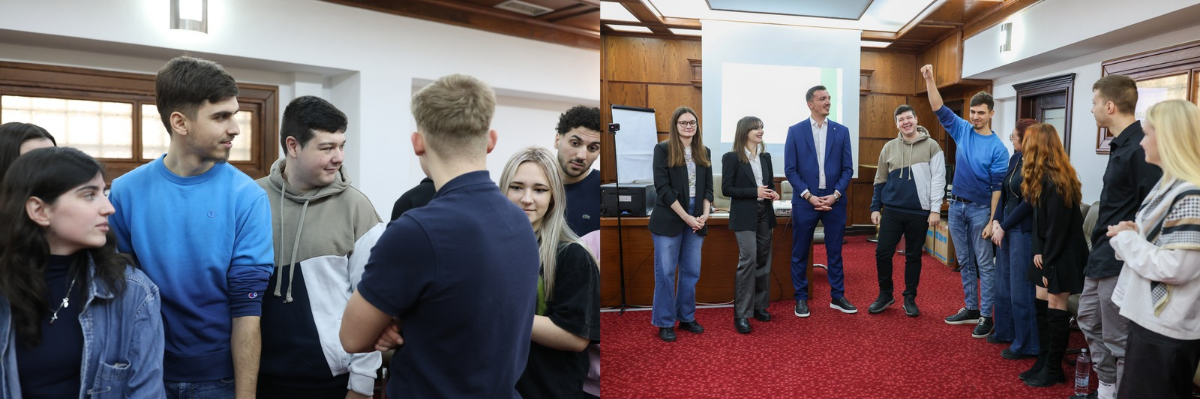
Beyond the Project: A Shared Commitment to Environmental Action
Although the participants came from different countries and backgrounds, their reflections reveal a common message: environmental advocacy begins with awareness, but becomes meaningful through participation and action.
From developing campaigns and mapping waste to organising local events and exchanging ideas across borders, these young people gained practical experience in addressing environmental challenges in their communities.
Most importantly, the project helped build a network of motivated young people who can continue sharing knowledge, supporting one another and promoting sustainable practices beyond the project’s official activities.
The project may have ended, but the ideas, friendships and motivation to create positive environmental change continue.
The project “Fostering Active Youth Participation in Environmental Advocacy” (2025-1-BG01-KA154-YOU-000305144) was implemented within the Erasmus+ Programme of the European Union, under Key Action KA154-YOU – Youth Participation Activities.
Follow our website and our Facebook and Instagram profiles for current opportunities and offers!

The European Commission’s support for the production of this publication does not constitute an endorsement of the content, which reflects the views of the authors alone, and the Commission cannot be held responsible for any use that may be made of the information contained therein.